
Luxembourg restaurants in lockdown: what actually kept the lights on
Takeaway, staffing, and simple digital fixes that helped Luxembourg hospitality businesses survive the first COVID-19 wave.
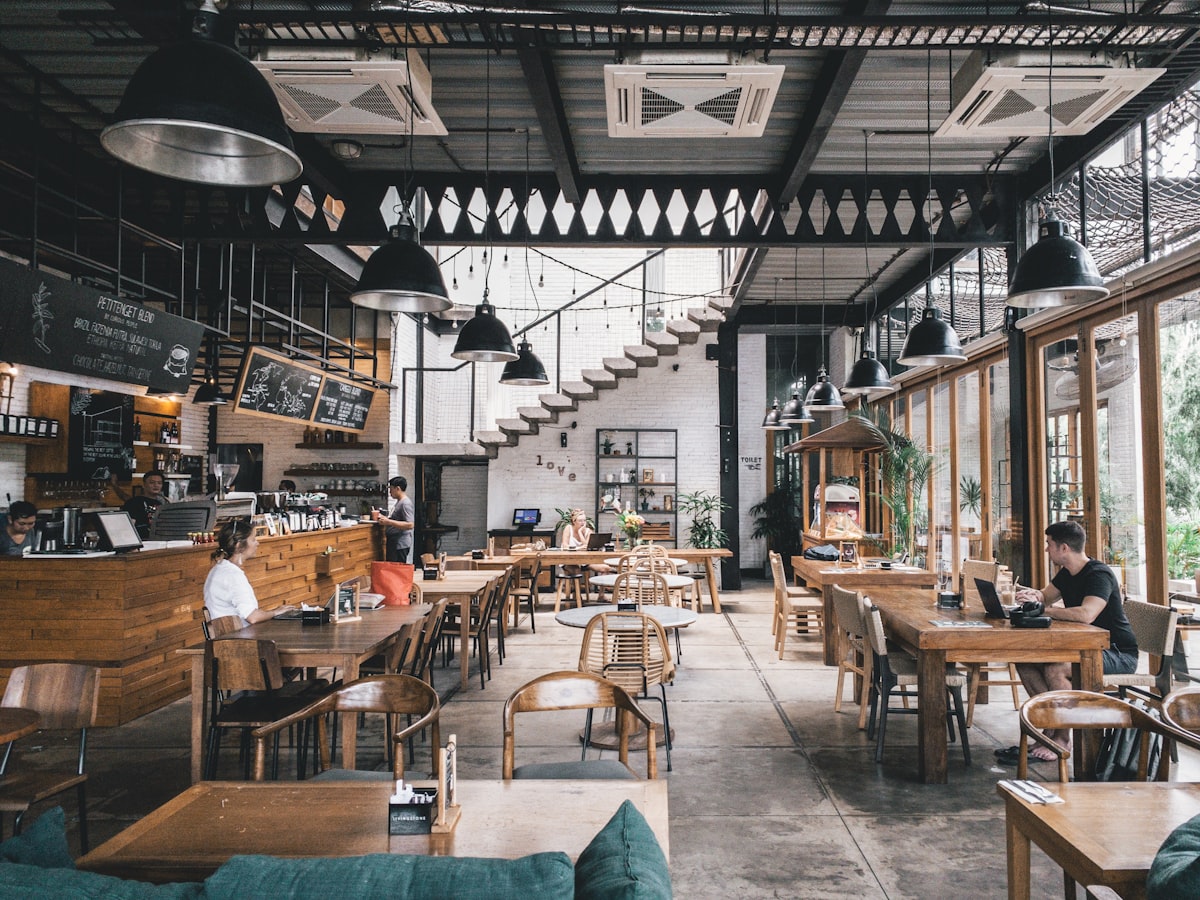
When dining rooms closed in March 2020, Luxembourg restaurateurs had days — not months — to redesign how they sold. The winners were not the ones with the fanciest menus; they were the ones who clarified offers, protected cash, and stayed reachable online.
In the Grand Duchy, where the market is compact and customers mix residents, cross-border workers, and institutions, the habits that hold up are rarely flashy — they are repeatable, documented, and shared with the team from day one. The operators who came out stronger did not wait for perfect conditions; they made one or two levers explicit and measured whether those levers moved.
Trim the menu, protect margin
A 40-item carte that worked at full occupancy became a liability overnight. Owners who cut to 10–15 high-margin dishes reduced waste and kitchen stress. Pairing each dish with a clear prep time helped set expectations for pickup queues stretching along rue de Strasbourg or in village centres.
Run changes for two service periods before calling them permanent — note waste, ticket times, and guest comments. Luxembourg guests forgive experiments when you communicate clearly; they rarely forgive silent price or portion shifts.
Pickup and delivery without chaos
Phone-only ordering collapsed under peak demand. Even a single-page site with hours, menu PDF, and click-to-call reduced errors. WhatsApp lists worked for regulars — but only with a written cutoff time and a named person confirming orders.
Pick one customer-visible improvement you can ship in thirty days — updated hours, a booking link, or a reply template — before debating a full platform rebuild. Momentum matters more than architectural elegance in year one.
Staff and rent conversations early
Luxembourg’s short-term partial unemployment schemes and landlord negotiations mattered more than marketing slogans. Document every agreement in writing; verbal extensions caused painful disputes in autumn 2020.
Put agreements where the team actually works — shift handover notes, a shared channel, or a one-page role card — not a folder nobody opens. Retention improves when expectations are visible daily, not only at annual reviews.
What carried into 2021
Restaurants that survived treated the crisis as an operational reset: clearer supplier lists, weekly cash snapshots, and one digital channel customers could trust. Those habits still separate resilient operators today.
Log every introduction and outcome in one place, even a spreadsheet. In a relationship-driven market like Luxembourg, follow-up discipline converts events and referrals into revenue more reliably than collecting more business cards.
Where to start this week
Choose three moves you can finish before Friday: one number to track (cash, covers, leads, or hours), one customer touchpoint to simplify (hours online, booking link, or reply template), and one internal conversation that removes ambiguity for your team. That rhythm beats a twelve-month transformation deck — especially when grants, hiring, and compliance work run in parallel.
Reorganising service, margins, or customer channels after a shock? A structured operational review beats ad-hoc fixes.